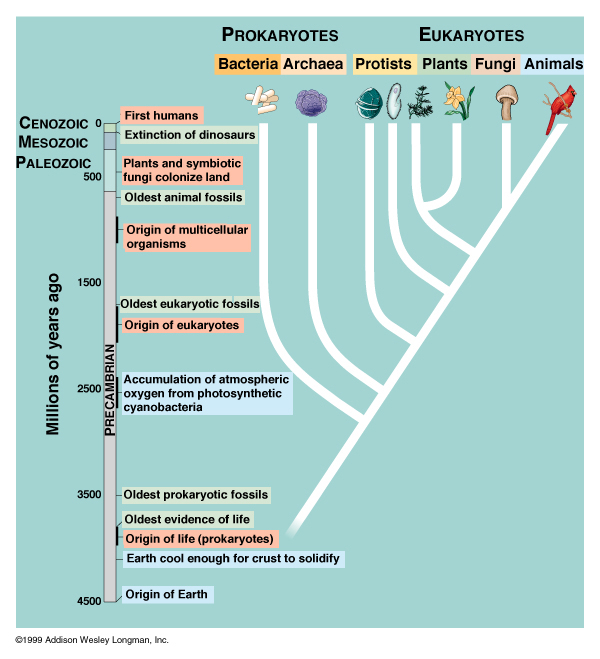
Figure 11-37a Evolutionary Tree [view large image]

| Home Page | Overview | Site Map | Index | Appendix | Illustration | About | Contact | Update | FAQ |
|
Microbiology is the study of microorganisms composed of one cell, which carries out all life functions including feeding, digestion, excretion and reproduction. They are called microorganisms or microbes because they are only visible under the microscope (see "Microscope" in the appendix for detail). While some can be harmful, most are harmless, and many are beneficial and essential for the ecosystem. Bacteria and cyanobacteria are ubiquitous. They are found in arctic conditions, in all waters, and in the upper strata of the atmosphere (see a chart below for the total number of various species - the total bacterial mass is about 10000 times more than the total human's) . Species distribution in these places is generally similar to that in soils. Because of their low mass, microorganisms can be transported by air currents. They can be classified into archaebacteria, bacteria, and protista as shown in Figure 11-37a. The bacteria are sometimes further divided into gram-positive and gram-negative according to the cell wall structure. Gram-positive bacteria are more susceptible to the treatment of antibiotic such as lysozyme and penicillin. |
Figure 11-37a Evolutionary Tree [view large image] |
|
 |
Although both multicellular and unicellular organisms perform the same basic functions of life, since unicellular organisms do not possess organs; it requires different methods to absorb nutrition, to excrete waste, to grow, and to reproduce. In fact, there is already a huge gap in structure between eukaryotic and prokaryotic cells as shown in the last column of Table 11-02. |
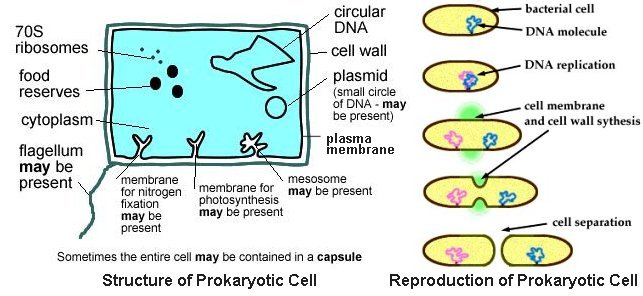
Figure 11-37b Prokaryotic Cell [view large image] |
Figure 11-37b shows the structure, reproduction, and growth of the prokaryotic cell. It is explained in further detail below: |
 m comparing to the 10-100 m for eukaryotes). For example, prokaryotes have a chromosome, but it is not enclosed within a nucleus. The bacterial chromosome is composed of a single circular DNA (sometimes with an additional smaller one called plasmid) located within an area called the nucleoid region. Similarly, their respiratory enzymes are free within the cytoplasm or they are associated with the cell membrane (such as the mesosome, and other in-folding membranes as shown in Figure 11-37b). When prokaryotes have chlorophyll, there are no chloroplasts. Within cyanobacteria, chlorophyll is associated with individual thylakoids. In addition to a cell membrane, prokaryotes have a cell wall, and if motile, most possess flagella. Outside the cell wall, there may be a capsule or a slime layer.

